Carbon Neutral Travelling

Carbon Neutrality

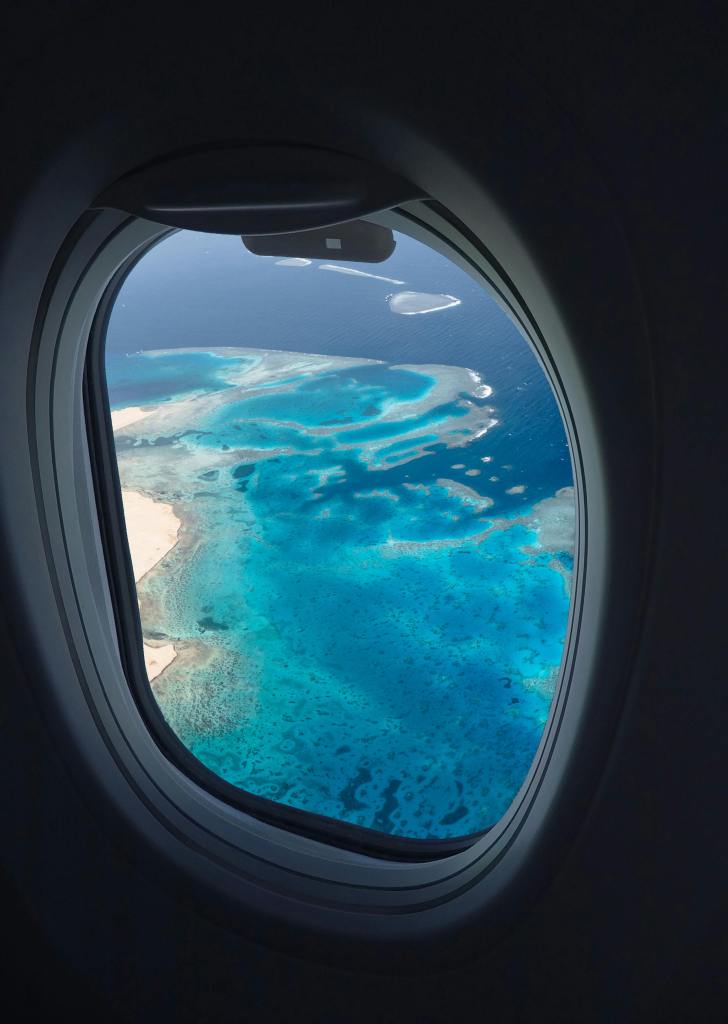
There is no getting around it – travelling has a carbon cost. Whether that be flying to your initial destination – the aviation industry contributes to around 2.5% of global carbon emissions – or travelling between locations once we are there – rail travel emits 10 times less carbon than travelling by car – as responsible travellers, it is incumbent upon us to take this into consideration.

But you can’t do anything about it, unless you can measure it – and how do you do THAT?!!

The first thing to recognise (after recognising that there is a carbon cost to your vacation) is that what you do individually will have a tiny effect on climate change – but cumulatively, you AND me AND everyone travelling DO make a difference.

The next thing is – you don’t need to be a climate scientist to get a bit of basic understanding of what your impact is. As a traveller, (unless it is your thing) you should only think about your own immediate effect – using an electric bus rather than a diesel bus has to be taken at face value as a better choice, without a full information deep dive to find out what percentage of electricity in that location is produced by fossil fuels compared to renewables.

The Right Choice

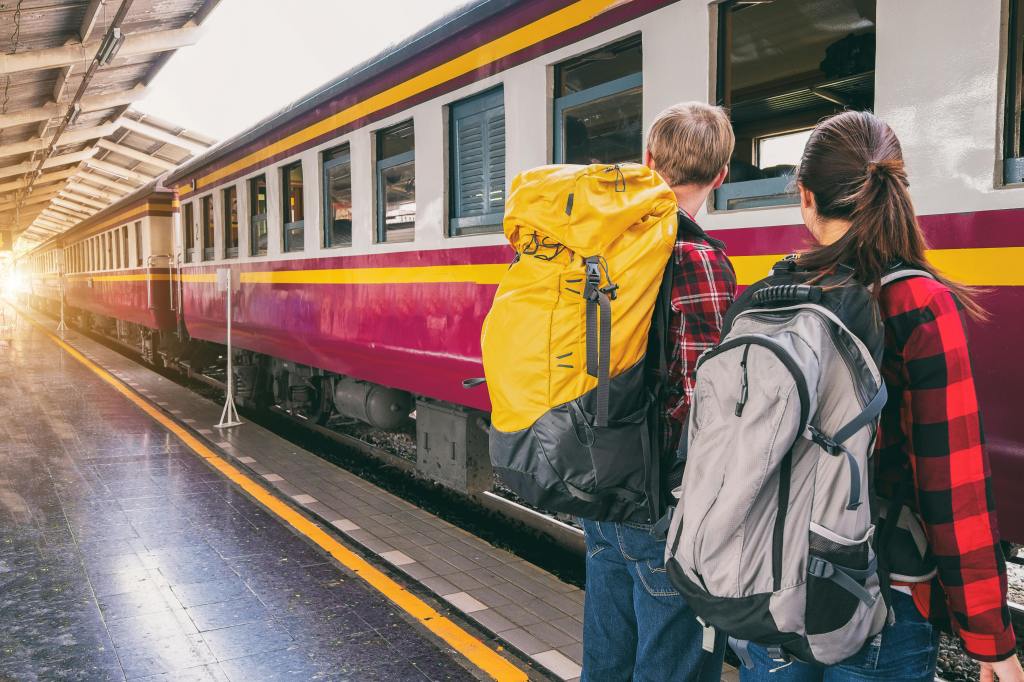
With these points in mind, what can you do to reduce your carbon footprint? Simply put, just try to make the right choice. Avoid domestic flights if possible – don’t fly if you can take the train. If you can travel by train, consider doing this instead of by road. And if you have to travel by road, consider using buses rather than hiring a car, and use electric versions of vehicles when possible. In towns and cities, use public transport, cycle – or my favourite – just walk.

Do the things you do at home to help with the environment. Recycle where and when you can. Use showers rather than baths. Turn off lights when not in use. Try to keep heating and air conditioning to a minimum.

Measuring and Offsetting

This isn’t as hard as you might think. Without a doubt, your biggest environmental impact is your flight to your destination and your flight home. There are various online calculators for this, but one of the easiest to use is from the ICAO – a UN agency, so pretty accurate. Click the Passenger Calculator button (rather than the freight calculator) and put in your departure and destination, whether you are travelling economy or premium, and whether is is a round trip or one way.
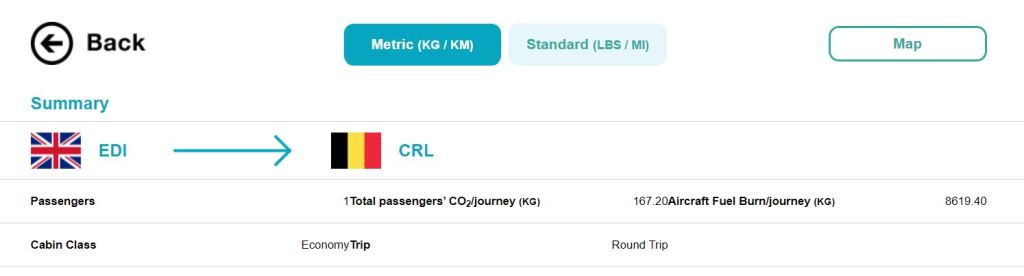
In this case, it shows that a return trip from Edinburgh to Charleroi for a single passenger using economy is 167.2 kg of carbon.

Another excellent online calculator, which can also be used to measure other modes of transport is from Carbon Footprint. This will allow you to measure all of your travel in one place – flights, buses, car hire, and trains.

And for all those other things, from sending emails to eating bananas, you could do no better than checking your carbon footprint in this excellent book – How Bad Are Bananas by Mike Berners-Lee.

So now you know how much your vacation is going to cost in carbon, you need to decide what to do about it. Some companies will allow you to add carbon offsetting when buying a ticket. This is normally a relatively small charge – between EUR 2 and EUR 5 – with some making a further contribution on your behalf. If you want to have a bit more control over this, you could consider contributing to an environmental charity, such as my favourite – Trees For Life.

A tree stores between 14kg and 46kg of carbon each year, depending on species, location, and other factors. A pine tree absorbs 14kg, a fir absorbs 20kg, whereas a Douglas fir absorbs 46kg. So, if you can measure your carbon footprint, and you know that a tree (on average) absorbs around 20kg of carbon each year, you can get an idea of how to offset your carbon footprint.

I like Trees For Life because they plant species native to the Caledonian forest in Scotland, including alder, aspen, birch, cherry, hazel, holly, oak, rowan, Scots pine, and willow. This also encourages native animal species and promotes biodiversity. You can set up your own grove where trees will be planted, or you could add to mine. Click here – JC Stephenson’s Caledonian Grove – and follow the instructions.

How Bad Are Bananas? was a groundbreaking book when first published in 2009, when most of us were hearing the phrase ‘carbon footprint’ for the first time. Mike Berners-Lee set out to inform us what was important (aviation, heating, swimming pools) and what made very little difference (bananas, naturally packaged, are good!).
This practical and inspiring guide, the latest in our popular Handbook series, motivates travellers to take a responsible approach to the impact of travelling. Whether you’re looking to reduce your carbon emissions, enjoy more a responsible wildlife-watching experience, harness culinary tourism for good or enjoy an eco-friendly city break, this guide has got you covered.
Explore the world, without ruining it! The Ethical Traveller offers one hundred tips, aligned with the United Nations Sustainable Development Goals, that help us protect the planet, support communities, and explore the world while preserving everything that makes it so very special.

Planning Your Trip – Part One

6 things to consider BEFORE you start planning

So, you fancy a holiday travelling. But where do even begin to get started?

The VERY FIRST thing to do…is to decide what KIND of holiday you are looking for.

Are you looking to visit just one or two cities? Or are you looking to travel around a bit more, travelling between cities, maybe even a bit of island hopping?

Here are 6 things to take into consideration which will help you to get started.

  1. TIME

There are some questions you need to ask, the first being, “How long are you going to spend on holiday?”. This the the time that you have taken off work, plus the weekends in-between. But this isn’t just the amount of time you are physically in the destination of your choice, it also includes travel time, which takes us to the next question on ‘time’ that you need to ask – “How long will I need to travel for until I get to my destination?”.

Obviously, this also includes the length of time you need to include to travel home again. If this is a relatively short amount of time – a couple of hours, or so – then your decisions on what you immediately do will be different to what you do if it is a long-haul flight, when you may want to put a bit of recovery time into your plans before you do anything else.

And include your ‘getting home’ time. Not just your flight to your home city, but ALSO your trip home from the airport. Does your flight get in late at night, when you may have difficulty getting public transport? Should you spend a night in an airport hotel before the final journey home?

One more question you should ask is, “Are you giving yourself plenty of preparation time?”. If you are planning a complex multi-destination trip, with connecting flights, trains, and busses, perhaps don’t wait until the week before you go to get everything done. Some fares use dynamic pricing, and often (but not always) buying tickets early will give you the best deals.

2. Money

We all need to budget while at home and, for a happy holiday, we need to budget for the vacation too. No-one wants to come home to utter poverty because they have totally overspent abroad.

But it can be quite difficult to nail down. How much does a holiday actually cost?

Perhaps the easiest way to do this is to break costs up into four different blocks – travel costs, accommodation costs, essential extras, and spending money. Remember, this is just to get an idea of costs, so you can adjust the length of time or locations to suit your budget.

Travel Costs – this is the cost of getting to your first destination, which will probably be flights, but may be train fares or ferries. If you are travelling to multiple destinations, this is also how much it costs to get between them.

Accommodation Costs – how much it costs to sleep in each place you are visiting. This should also include overnight stays in airport hotels.

Essential Extras – these are the additional but essential things that will cost you money; travel insurance, airport car parking, new passports, new bags, vaccinations etc.

Spending Money – a realistic amount of money you will need each day for food and drink, excursions, activities, and entry fees to museums, galleries, theatres etc. And get an idea of how expensive your destination is, in particular, compared to costs at home.

3. Distance

Consider the distance AND the amount of time it takes to get to and from your holiday destination. This starts from when you leave your home until you arrive at your first location. And of course, the same is true in reverse.

As your vacation time off your work will be limited, and although I prescribe to the idea that your holiday starts WAY before you arrive at your destination – you want to take the time it takes and the distance travelled into your plans.

And this is true with journeys taken during the holiday too.

If it is a long-haul flight, or a particularly long train or bus journey to get to where you want to go, you should consider a bit of recovery time.

4. Who You Are Travelling With

Are you travelling alone? Great! You get to choose EVERYTHING. But also, boo! Because you have to pay for everything!

If you are travelling with a friend or partner, or other wage-earning adults, you can save quite a bit on staying in apartments – rather than hotels.

But, as well as remembering to book enough tickets for travelling, you should take into consideration their wishes on destinations and activities while away. There is nothing that will end a friendship faster than a tense and unhappy holiday together.

Travelling with children and teenagers brings its own challenges and for a (close to) friction free time away with your family, their interests and requirements, particularly around resting, should influence your decisions in planning your trip.

For those you are travelling with with specific requirements, such as those who have a disability, or dietary requirements, or allergies – do some extra research on destinations and travel opportunities, and take a bit of care around booking, with advice and input from those who you are travelling with. This will make all the difference to everyone’s holiday.

5. Arriving and Departing

Have a think about where you are arriving on your trip. Does it need to be the same place that you are departing from? Or, is there a different city you want to visit that you can fly home from?

The cost – or saving – of a return ticket to and from the same airport, or ferry port may be a big part of this decision.

But if you are planning on travelling around while on your vacation, this will determine the shape of your travels. If it is the same airport then your travels will be circular, whereas, if you can travel home from a different city, you can have a more linear journey.

6. Restrictions

Be prepared for any restrictions on the countries you are visiting – you REALLY need to do a bit of research on this. Are there visa requirements for you or any of your fellow travellers? Some countries need you to have a specific amount of time left on your passport – get everyone to double-check their documents.

Are there criminal record restrictions? Is this something you need to declare to get your visa?

Are there compulsory vaccination requirements? Or even advisory vaccination specifications.

Things change all the time. Is there a new rule or restriction that is going to come into effect before you travel?

AND FINALLY – is armed conflict about to break out in your destination of choice? Are you travelling at a time when there are monsoons or typhoons or floods or deadly heat waves? Or just that the country or city closes down that week/fortnight/month. Please check.

Enter your email to receive updates.

Want to support independent writing and content? Consider a donation here!

One-Time
Monthly
Yearly

Make a one-time donation

Make a monthly donation

Make a yearly donation

Choose an amount

£5.00
£15.00
£100.00
£5.00
£15.00
£100.00
£5.00
£15.00
£100.00

Or enter a custom amount

£

Your contribution is appreciated.

Your contribution is appreciated.

Your contribution is appreciated.

DonateDonate monthlyDonate yearly

Website Powered by WordPress.com.

Up ↑